This blog post provides a simple, engaging breakdown of a Visual Arts lesson exploring the concept of juxtaposition. Using two worksheets – “What is Juxtaposition?” and “Juxtaposition Themes” – students learn to identify and analyse contrasting ideas in art. This is ideal for middle to senior secondary students as they build conceptual understanding and visual literacy skills.
🧠 What is Juxtaposition?
Juxtaposition refers to placing two contrasting ideas, images, or materials side by side to highlight differences or provoke thought. It’s a powerful strategy used by artists to create meaning, tension, irony, or social commentary.
📄 Step-by-Step: What is Juxtaposition? Worksheet
This worksheet introduces juxtaposition using two examples:
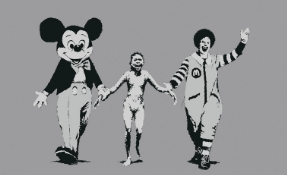
1. **Banksy’s Napalm Remix** – which places the iconic “Napalm Girl” from the Vietnam War beside commercial mascots like Mickey Mouse and Ronald McDonald.
– Students are asked to explain the use of juxtaposition and consider its emotional and historical impact.
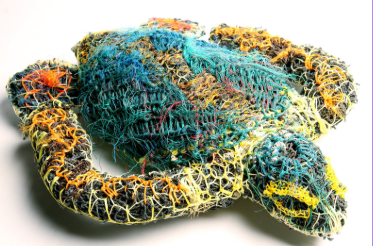
2. **Erub Arts Collective Ghost Net Sculptures** – which use recycled marine debris to create sea animals.
– Students reflect on the irony of saving sea creatures using the same materials that kill them in real life.
📝 Step-by-Step: Juxtaposition Themes Worksheet
This activity prompts students to look at six visual artworks and identify opposing themes. Examples might include:
– Nature vs. Technology
– Past vs. Present
– Human vs. Animal
Students complete six “______ vs ______” comparisons, developing their critical thinking and visual analysis skills.
Want the Worksheets? Click Here >>> Juxtaposition Worksheets
🎯 Extension Activity (Optional)
Ask students to select one contrasting pair and brainstorm an original artwork idea. They could sketch, collage, or digitally design a piece using juxtaposition to express a contemporary issue or personal story.
👩🏫 Teacher Tip:
Use these worksheets at the beginning of a unit exploring conceptual art, environmental art, or activism in art. They work well as discussion starters, visual journals, or written reflections.
 Cultivating Creativity: Best Practices for the Art Classroom